
How WP Maintenance is Done
The Boring Work,
Done with Care
WordPress maintenance is mostly discipline. We sweat the details — including the ones you can see — so you don't have to.
Built in Australia, accountable in Australia
We're based locally. We work in your time zone. We understand the Privacy Act and the Notifiable Data Breaches scheme — and we can produce the documentation your procurement team will ask for.
What makes us different
We come from design
Most maintenance is done by developers who tolerate design. We notice when a heading is 2px out, when a hover state breaks, when an update shifts your hero spacing. We fix it before you ask.
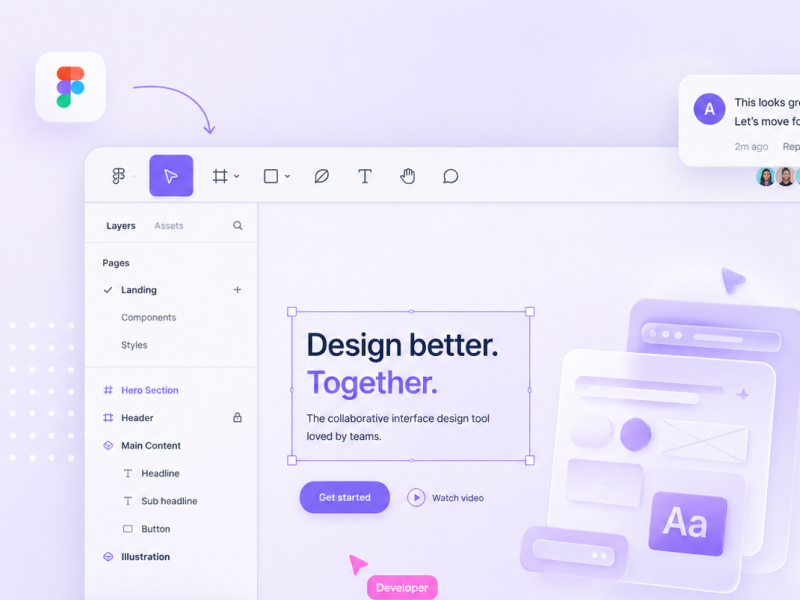
We hand-code our fixes
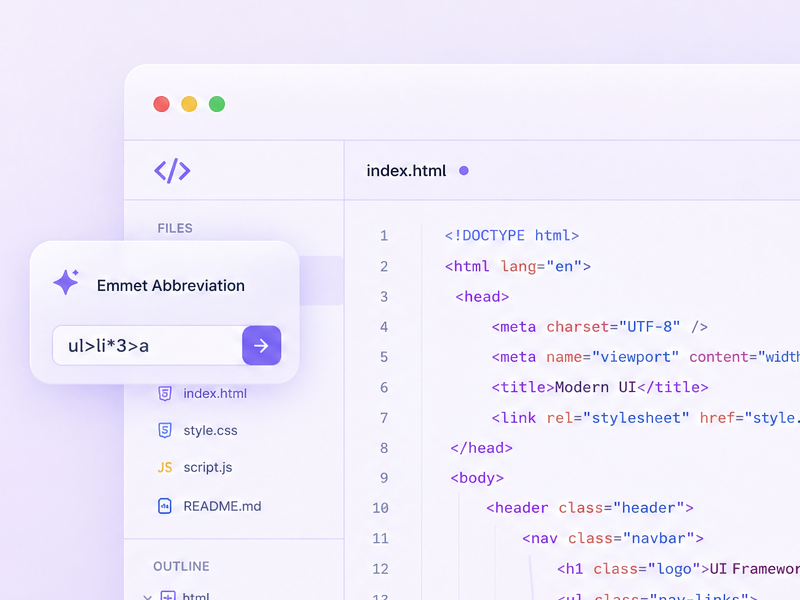
Page builders are great until something goes wrong inside them. When we work on your site, we write CSS and PHP — not stack more plugins on top of plugins. Less bloat. Cleaner fixes. Faster sites.
Visual regression tests on update
We take screenshots of your key pages before and after each update and compare them. Layout shifts, missing buttons, broken styles — we catch the silent breakages competitors miss.

A live dashboard, always on
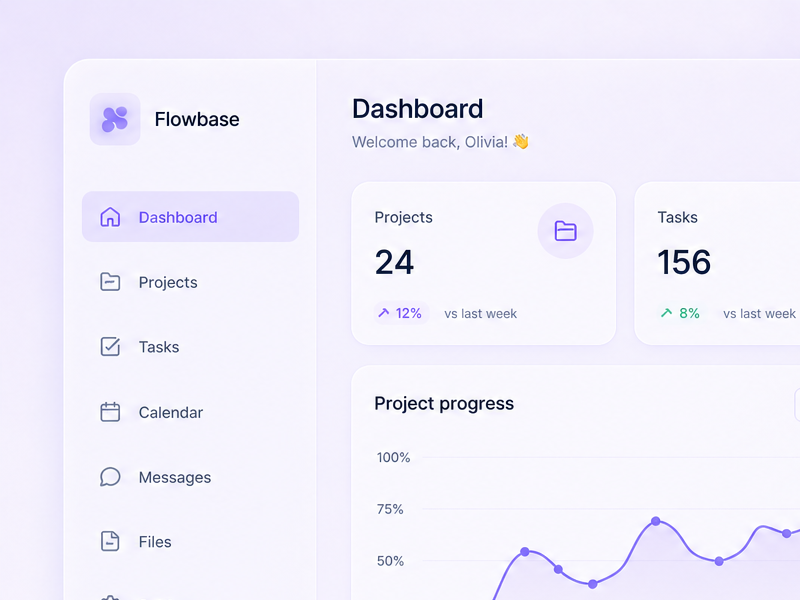
See your uptime, last backup, update history, and security events any time you want. Most providers send a PDF and hope you don't ask questions. We show you the numbers in real time.
Same engineer you deal with
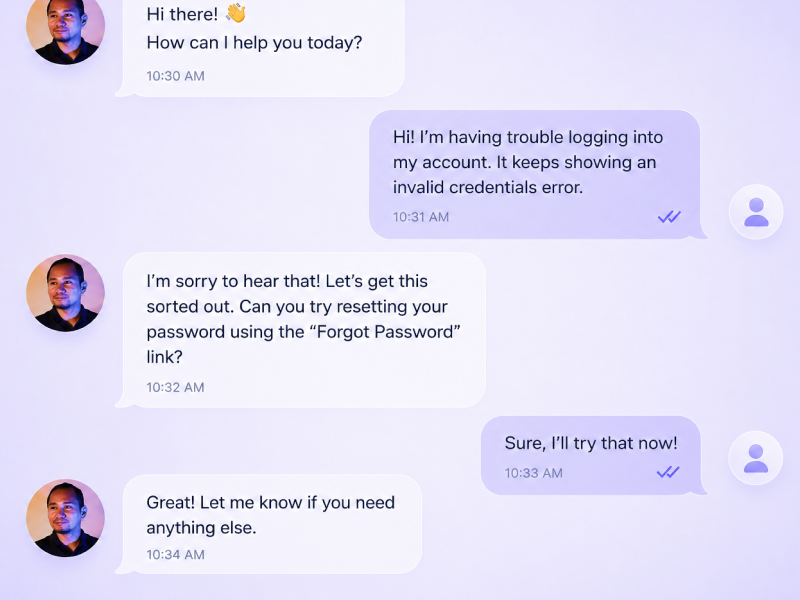
No ticket queues. No offshore handover. The person doing the work is the person you talk to. They keep a private notebook on your site so nothing gets forgotten.
A workflow you can verify

1. We audit before we touch
Every new site gets a full audit before any work begins. Plugin inventory, security baseline, performance benchmark, hosting review, and a design review — we map your typography, spacing, and key layout patterns so we know what your site is supposed to look like. You see the report. You approve the plan. Then we start.

2. Updates run in staging first
We clone your production site to staging. Updates go in one at a time. Each one is tested with automated visual regression checks and a manual smoke test. If something breaks, it breaks in staging — not in front of your customers.

3. Production deploys happen Sunday nights
Updates push to production between 9pm and midnight Sunday, in your local time zone. By Monday morning, everything's verified and you have a confirmation in your inbox.

4. Monitoring runs continuously
Uptime is checked every 15 minutes. Security scanned multiple times a week. Performance tracked against benchmarks. We know about problems before you do.
5. Incidents follow a documented playbook
Every Care client receives our incident response playbook at onboarding. It covers detection, containment, communication, restoration, and post-incident reporting. When something goes wrong, we don't improvise.

6. Reports go out monthly
A simple summary covering what we did, what we found, and what we'd recommend next. No 40-page PDFs. No jargon. Just the information you'd want if you were running it yourself.